
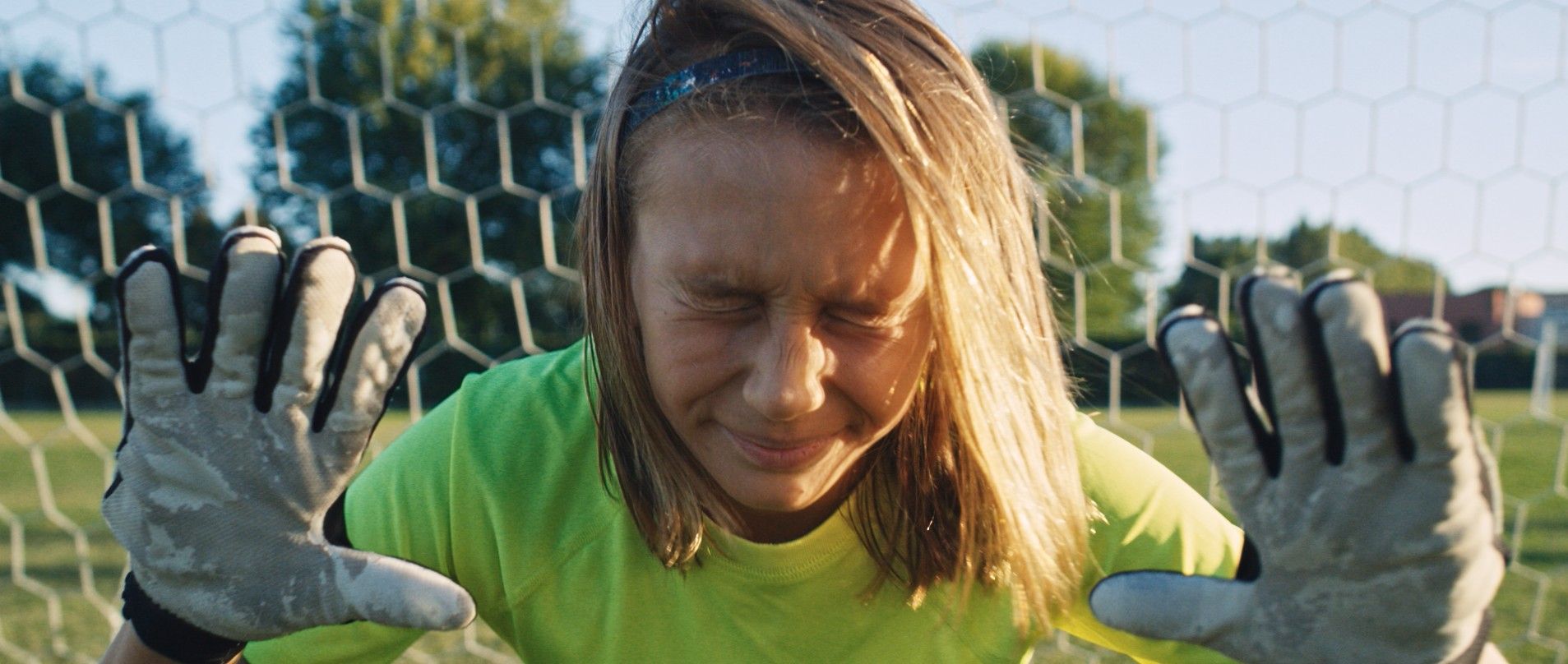
You forget commercials. But you don't forget stories.
Turning identities into stories
Try this: Think about the last commercial you saw.
Nothing?
Now try to think about the last story that really stuck with you in recent years—a movie, a TV series, or a scene that you kept thinking about even after you finished watching it.
You probably don’t just remember what happened. You remember a character, a moment, a feeling. A story.
And that’s exactly the point: what sticks in our memory is rarely just a message. It’s something we’ve experienced—even if only for a few minutes—through a story.

Even before the commercial, there’s a question: Is there a story here?
Movies work because they don’t try to convince the viewer of anything. They allow the viewer to experience it firsthand.
They don’t try to sell anything, nor do they directly ask the viewer to believe a message: they build a story and let the viewer form their own connection with what they see.
It is this ability to engage that makes the language of film so powerful, even when applied to communication.
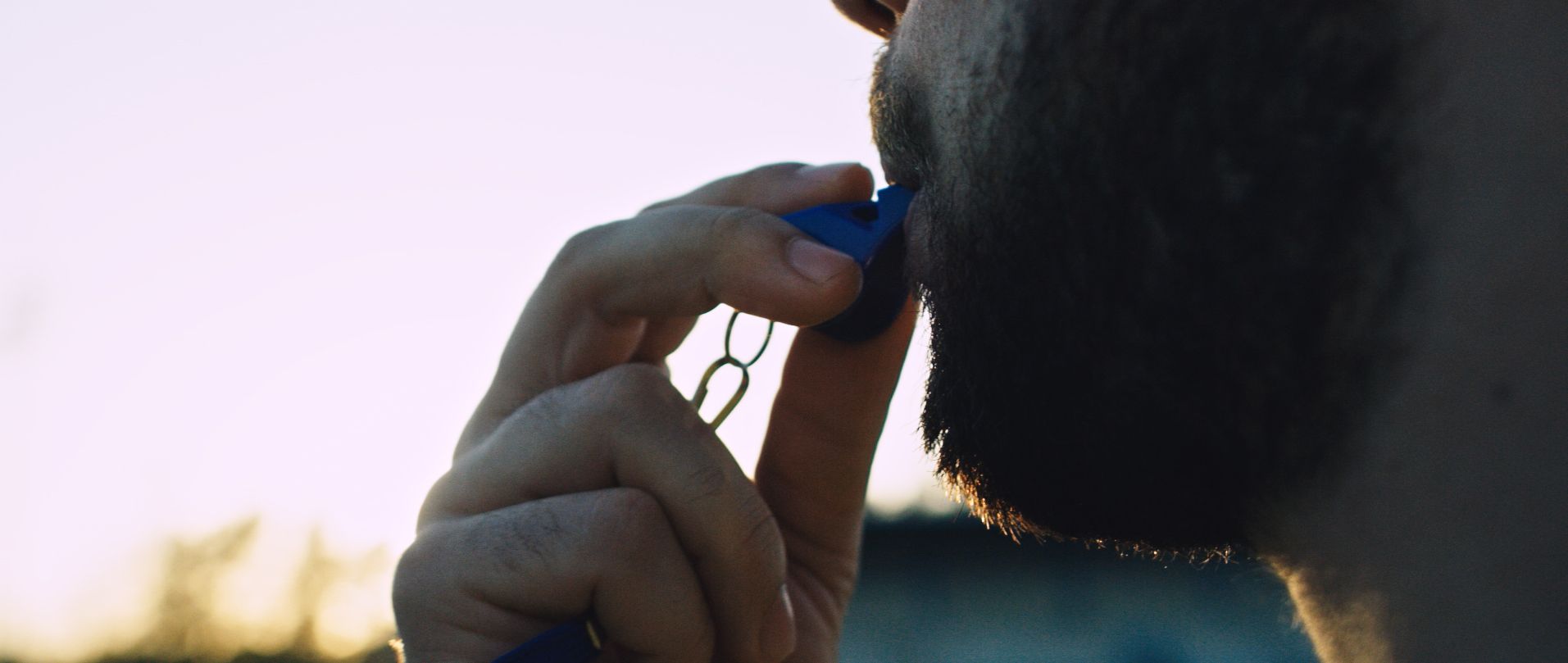
From message to story
Every reality has so many stories to tell.
The real challenge is finding the right way to get them across to people.
A message can explain a product, a service, or a value. A story, on the other hand, allows the viewer to connect with what they’re watching.
The question isn’t just what you want to say.
It’s why anyone would want to listen.
That’s why a branded film starts with finding a point of view: something people can relate to, an idea or a sensibility that can create a connection between the storyteller and the viewer.
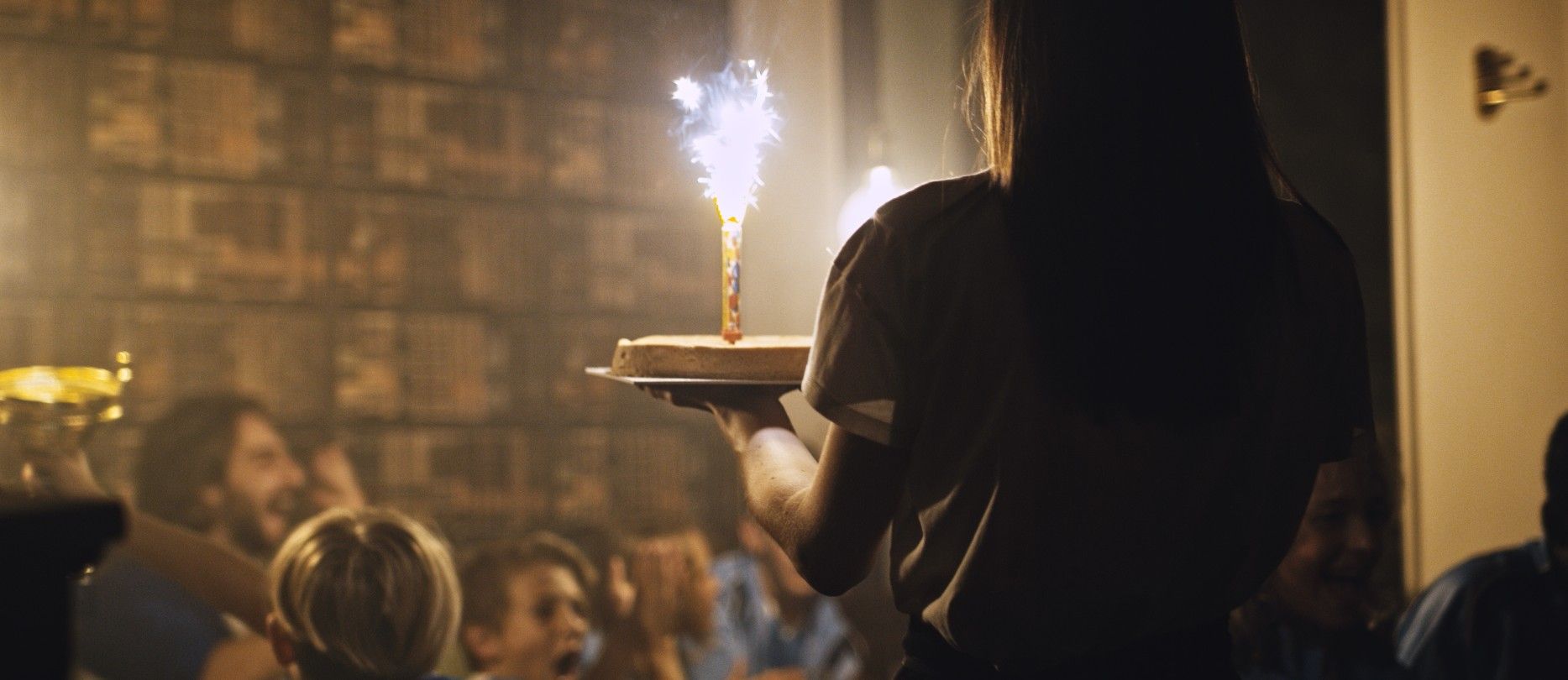
When a brand becomes part of the story
A branded film emerges from the intersection of cinematic language and a company’s identity.
It doesn’t simply mean telling a company’s story through more beautiful images or a more polished production. Telling a brand’s story doesn’t necessarily mean showing products, locations, production processes, or people explaining why a company is special.
A cinematic narrative can stem from something deeper: a value, a vision, a challenge, or an element that truly belongs to that brand and can become a story capable of engaging the viewer.
The brand remains present, but finds the right way to fit into the narrative. Not as an interruption, but as a natural part of the story: something the viewer discovers, recognizes, and associates with what they’ve just experienced.
It is this balance that makes a branded film effective: the ability to bring a person closer to a brand through a narrative experience, even before conveying a message.
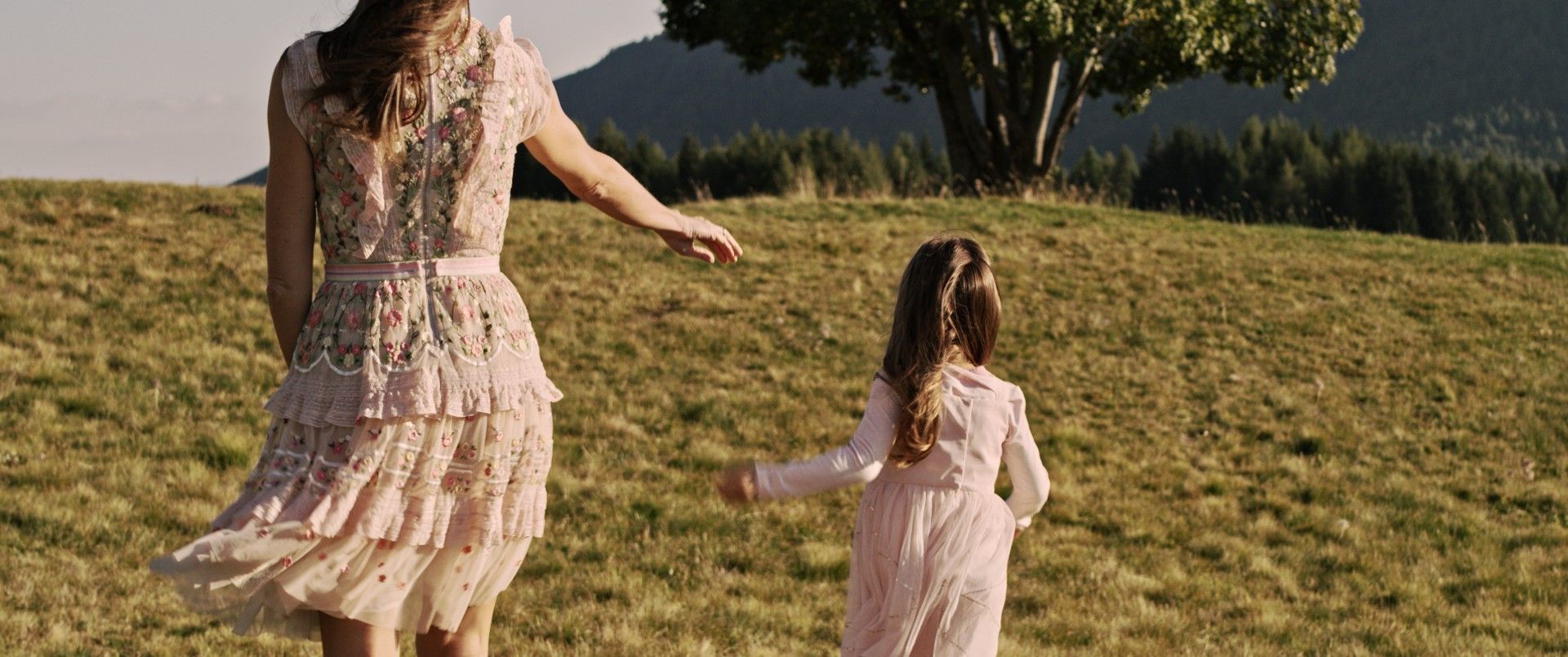
Let's take a test
There’s a commercial by a famous Italian phone company that many people still remember today.
Set to the song To Build a Home by The Cinematic Orchestra, a man returns to Italy after a long time away to search for his father and rebuild a relationship that had been severed over the years.
Through photographs, familiar places, and small memories, the journey becomes a way to reconnect with someone who seemed so far away.
It’s a story of distance, time, family, and the desire to bridge the gap between two people. It’s a story of communication.
And there it is: only at the very end, almost on tiptoe, does the brand find its place in the narrative. Technology becomes the means through which that relationship can continue.
In short, we get chills just telling the story!
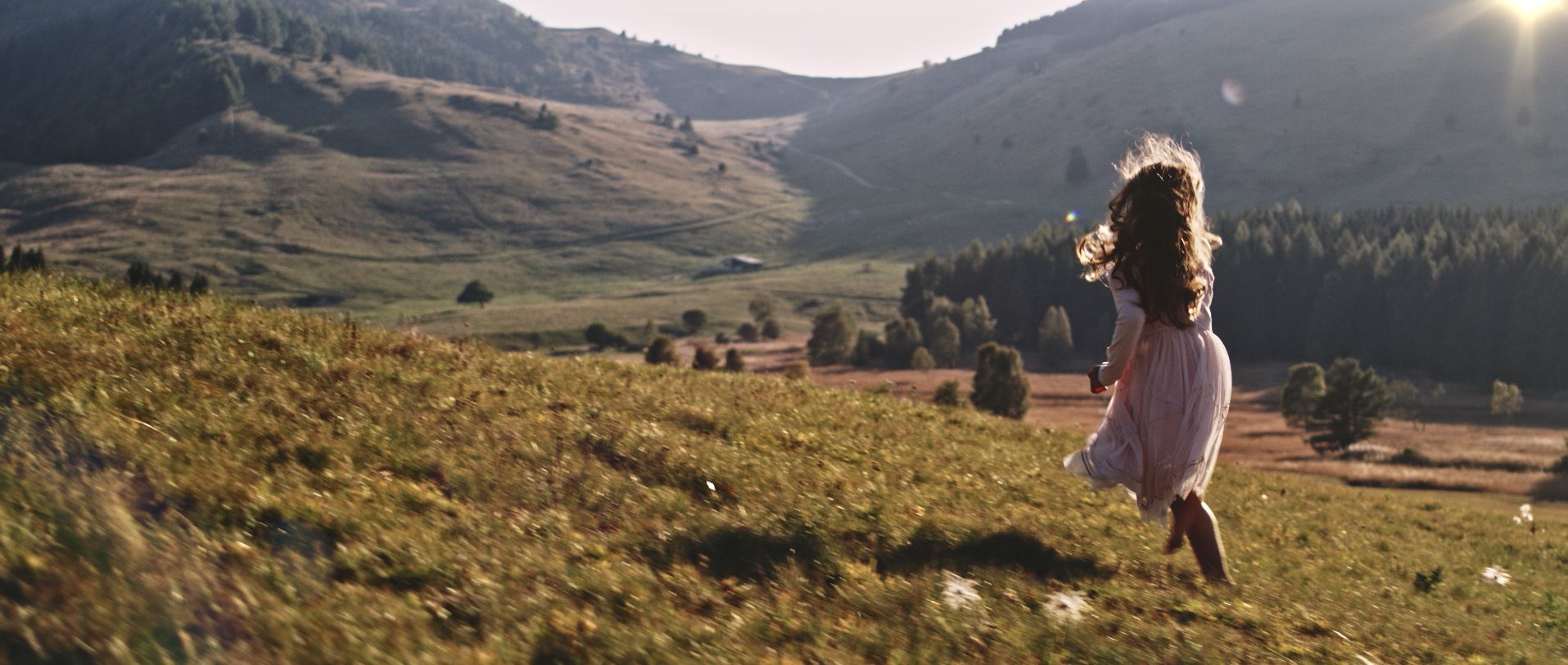
Our approach to filmmaking with WowFrame
After years spent working on film productions, short films, and audiovisual content, we decided to bring that same approach to the world of brands and organizations that want to tell their stories through more engaging narratives.
With WowFrame, we transform identities, values, and visions into stories that resonate with people.
Because often, the most interesting part of an organization isn’t just what it does, but why it does it.
Our job is to find that perspective and turn it into a story that people want to watch, remember, and feel is their own.
Because when a story works, it stays with you.
And maybe the next story worth remembering could be yours.

Contacts
hello@wowproduction.it wowproductionsrl@legalmail.it


Registered Office
Wow Production S.r.l. Galleria Matteotti, 9 30174, Mestre (VE) Italy VAT: IT04402760278 SDI: K95IV18
Headquarter
Wow Production S.r.l. Via della Costituzione, 133 30038, Spinea (VE) Italy